MSA Executive Shurah Elections 2026-2027
Executive Candidate Profiles
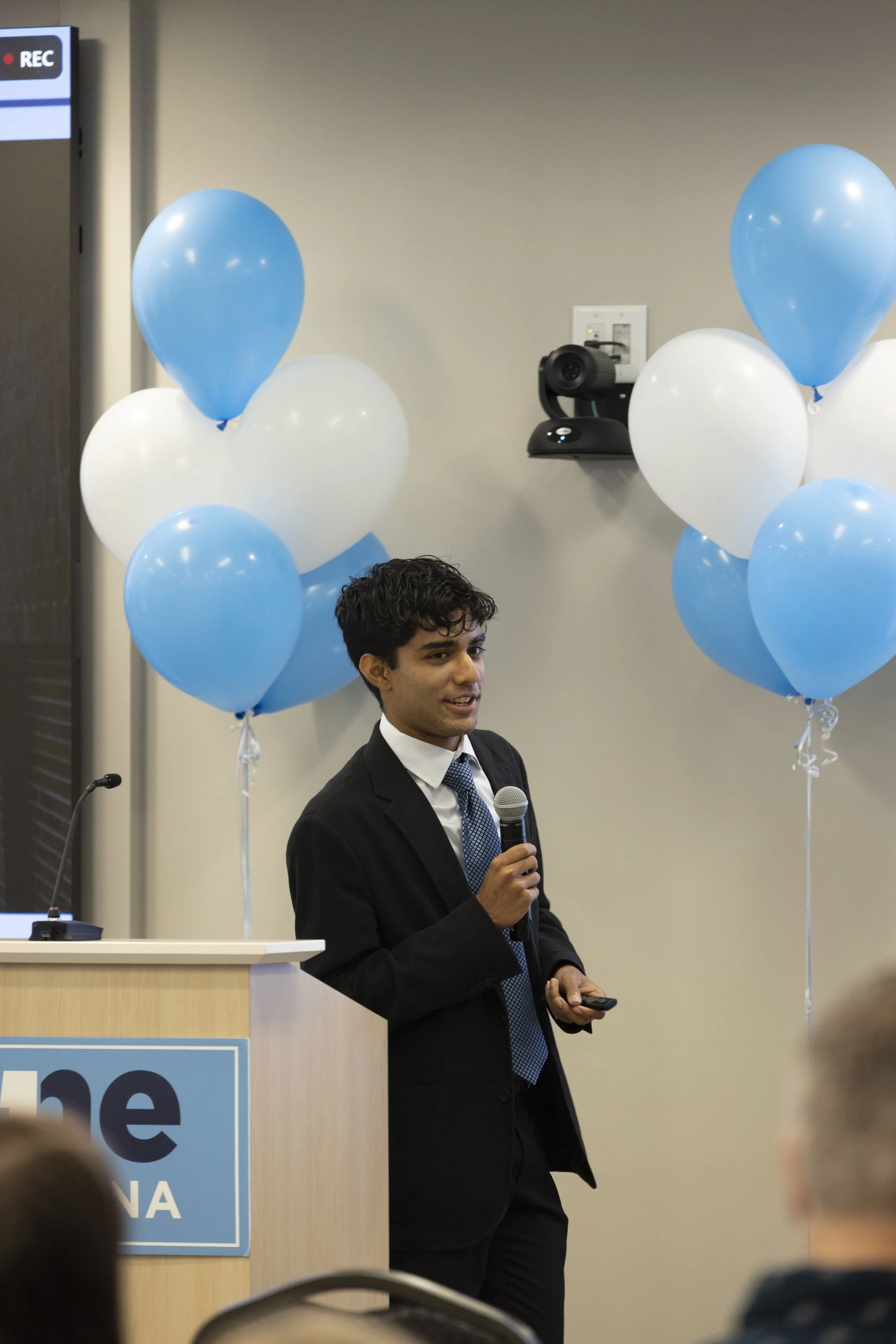
Samee Ghaffar
Salam, my name is Samee Ghaffar and I'm humbled to run for MSA exec for the coming year. For the last two years, I've been privileged to serve as development chair, where I have managed MSA's finances, mentorship/professional programming, and long-term planning during a time in which our community has grown despite political and administrative pressures on a federal and UNC level.
However, because of these challenges, I believe that the MSA has the opportunity to grow in visibility, influence, and resilience. We are a community of over 400 members, and we need to ensure that every single one of us feels supported. That being said, I believe that we have the opportunity to grow MSA as a brand in a way that our impact cannot be ignored, and stretches far beyond campus. To me, this means building an MSA that people are proud and eager to be a part of - not just while they're here, but long after they graduate. We have to create programming, experiences, and connections that our members carry into their careers, hometowns, and lives. We have to cultivate a network of alumni and professionals who stay connected, give back, and open doors for students who come after them. We have to show up on campus in a way that's impossible to overlook, and command respect in a time where Muslims on this very campus specifically are brushed aside. With your support, I hope to strike that balance of social, professional, and spiritual that so many of us look for in an MSA and remind every member that their faith, their identity, and their presence here are essential.
How do you intend to prioritize the diversity of MSA and inclusion of those who have been historically marginalized by the Muslim Students Association?
There is no Muslim that is not welcome on this campus. There's no such thing as a "bad Muslim" here. Muslims from overlooked or underrepresented groups are just as much a part of this community as anyone else - whether its a freshman or an exec member on Shurah. In order to combat the marginalization of these groups, the MSA can listen before taking an active role to provide inclusive programming. Too often, organizations can create initiatives for marginalized groups without even consulting them, and the result is more alienation. I want to create consistent, casual channels (one on ones, anonymous feedback, small meetings) where those members can actually help plan what MSA does an how it operates. This can also take the form of supporting and collaborating with other minority groups on campus with overlapping Muslim students, so that programming can feel less forced and more truly geared towards students who might shy away from MSA. Long story short, I want to examine who is already in the room during decision-making, and who isn't. Representation in exec and committee leadership matters. Being intentional about our programming and not defaulting to a single cultural expression of Islam is essential in inviting our growing Muslim community.
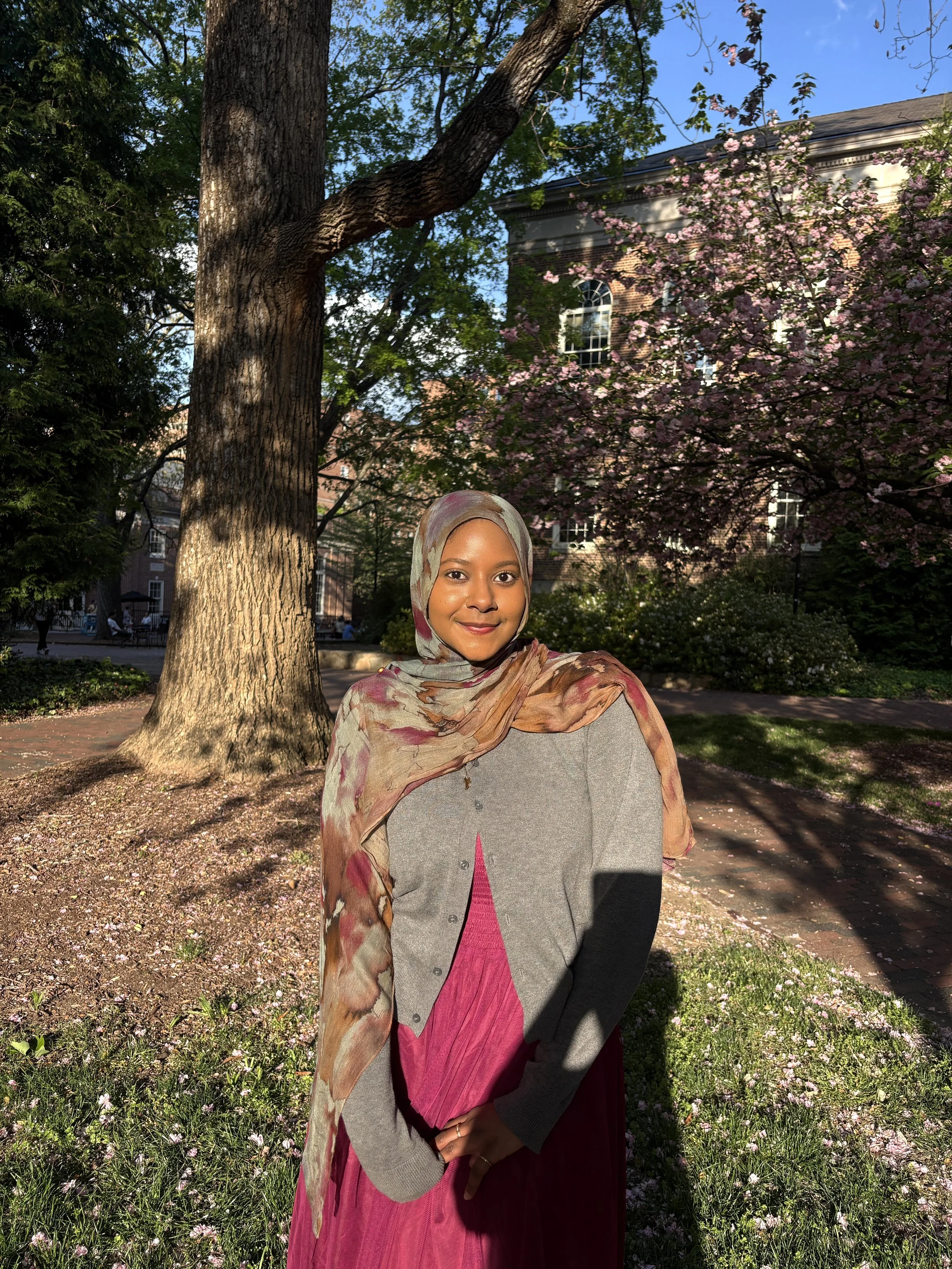
Shuaa Omer
Assalamu Alaykum everyone! My name is Shuaa Omer and I am a rising junior, studying Applied Math with a minor in Computer Science. When I first came to UNC, I was worried about finding my place and staying connected to my deen, but MSA became that space for me and truly made UNC feel like home. Before anything else, I want to recognize the people behind this community: our Shurah and exec who have put in countless hours to make MSA what it is. Over the past two years, I’ve had the honor of serving on Shurah as the Girls’ Freshman Representative and now as Co-Faith Chair.
Through this, I’ve seen what makes our MSA so special and where we can continue to grow. If elected, my focus is on building a more student-driven MSA and strengthening our sense of community. I want members to feel like MSA truly belongs to them by creating more opportunities for feedback and input, so the people we’re serving can help shape the events and initiatives they want to see. I also want to be more intentional about making MSA feel welcoming and connected, through things like exploring a Dawah Chair role to support our growing revert community and creating an MSA Week of Welcome so new and less involved members feel comfortable early on. I also hope to strengthen connections beyond UNC through alumni, local Masajid, and other MSAs. Most importantly, I want MSA to remain a space where every Muslim student feels like they belong.
How do you intend to prioritize the diversity of MSA and inclusion of those who have been historically marginalized by the Muslim Students Association?
To me, prioritizing diversity and inclusion in MSA starts with making sure every Muslim student actually feels like they belong, especially those who may have felt overlooked in the past. Our community is really diverse, and that should show not just in our events, but in how we make decisions and who we’re listening to. I don’t think we should assume what people need. Instead, I want to be intentional about actually reaching out and listening to people, especially those who might not always feel as included, like revert Muslims, Black Muslims, or Latinx Muslims. That could look like more intentional outreach, collaborations with different orgs, and even creating space for feedback through conversations so people feel comfortable sharing what they want to see. I also want to make sure this isn’t just a one-time effort. That means consistently incorporating community input into decisions and making sure different voices are being heard when planning events and initiatives. But overall, I want to make sure MSA feels welcoming no matter where someone is in their journey. No one should feel like they have to be a certain type of Muslim or religiosity to show up.